Upgrade your waiting room with calming wallpaper designs
You want visitors to feel calm. This guide shows how nature-inspired and pastel murals can lower stress and anxiety. It covers picking colors and patterns that soothe, along with durable, washable finishes that meet cleaning and health needs. Learn how to install with minimal disruption, maintain a fresh look, plan a smart budget, check warranties and safety, and track feedback and ROI so the change truly helps patients.
Key Takeaway
- You pick soft, muted colors to calm visitors
- You add nature scenes to lower stress
- You choose simple patterns so eyes can rest
- You use warm textures to make it cozy
- You swap wallpapers to keep the room fresh
Calming wallpaper benefits for your patients
Calming wallpaper helps space feel safe and welcoming. Soft colors and natural textures create a backdrop that encourages patients to pause, breathe, and settle in. This design approach supports moment-to-moment comfort, not just aesthetics, and can help reduce visible signs of anxiety as patients enter. Subtle visuals decrease visual noise, making it easier to read forms or follow instructions. Texture adds warmth without clutter, promoting a grounded feeling in anxious waiting areas. Staff notice quieter conversations and a slower, more relaxed pace as visitors respond to the calm environment.
How nature-inspired wallpaper for waiting rooms lowers stress
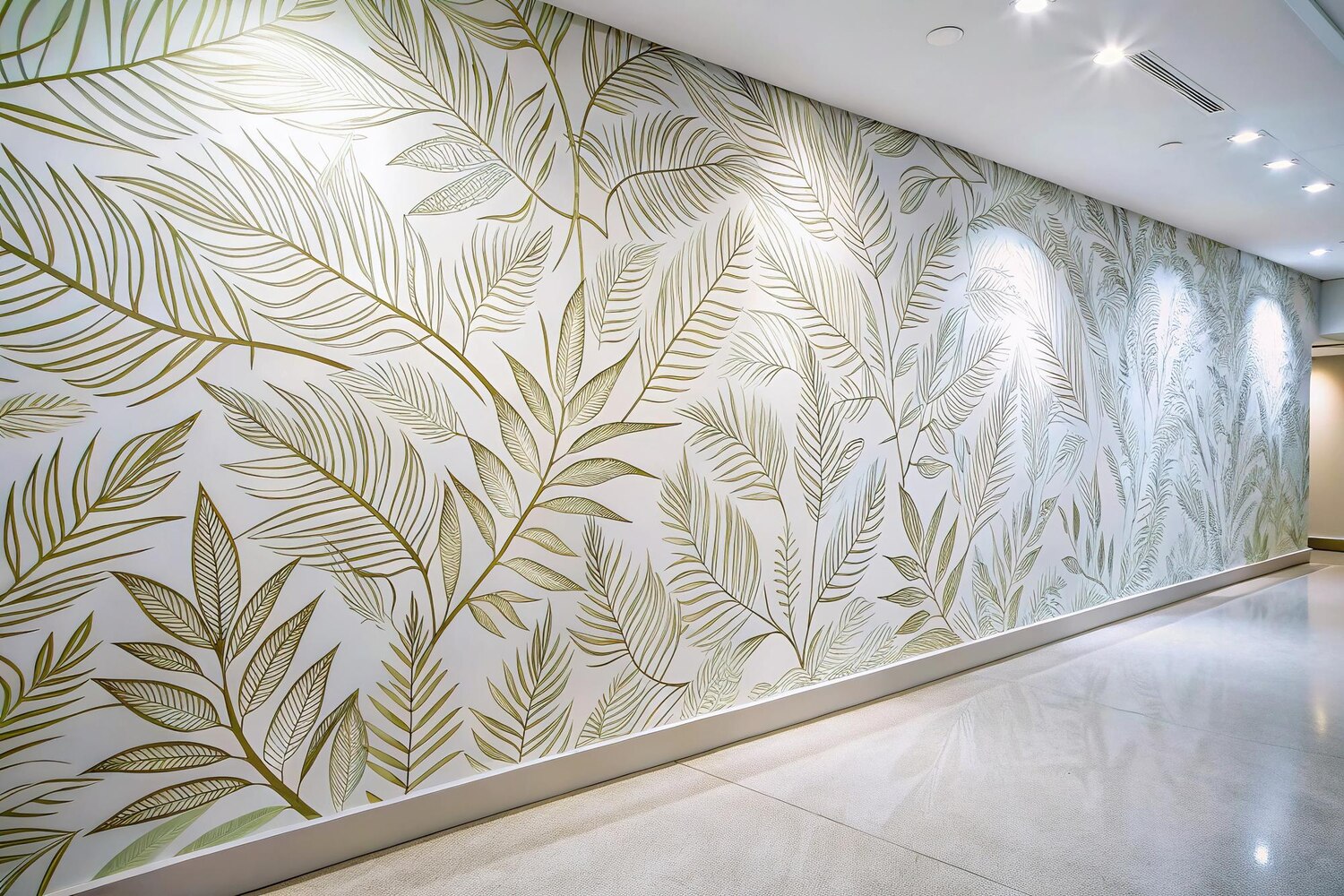
Nature-inspired designs bring familiar visuals that guide breathing and pace. A mural of a forest canopy or soft greens helps eyes relax and hearts slow. Subtle leaf motifs or watercolor skies can deliver the same effect with a soft palette of greens, blues, and earthy neutrals that don’t compete with conversations or forms.
Nature patterns also connect indoors with the outdoors, reducing feelings of confinement. A calm mural becomes a quiet cue to relax, helping patients feel seen and cared for.
How calming wallpaper helps your visitors
Calm visuals support focus and reduce nerves before exams or procedures. A soothing color palette guides attention and lowers anxious overthinking. Soft patterns and uncluttered visuals aid reading forms and following instructions, while empathetic staff interactions feel more natural in a calm space. Calm wallpaper can dampen echo and create a sense of coziness, making waiting feel shorter and more comfortable.
Reduce anxiety with mural designs for waiting rooms
A well-chosen mural anchors the room in calm without overpowering it. Designs with open space, soft gradients, and natural textures recede, giving visitors a visual rest stop. Plan murals to avoid clashing with lighting or furniture so the design supports the room without competing with conversations or screens. A calm mural becomes a comforting backdrop that helps patients feel seen and cared for.
Pick colors and patterns to soothe visitors
Choose colors that ease nerves without shouting for attention. Start with soft hues like pale blues, muted greens, and warm taupes. Bold accents should be used sparingly, such as on a single feature wall, with one consistent element to prevent eye fatigue. When mixing patterns, keep one element constant to maintain a cohesive backdrop.
Patterns should calm as well—repeat, gentle motifs like small florals, light geometrics, or soft stripes help the eye relax. Avoid high-contrast or chaotic designs. If daylight varies, test the wallpaper under different lighting to ensure it remains cohesive and approachable. Pair a serene wallpaper with warm lighting to create a welcoming feel without lulling into dullness.
Soft base colors with restrained accents, tested daylight effects, and textures that reduce glare contribute to a calming waiting area.
Why pastel wallpaper waiting area feels gentle
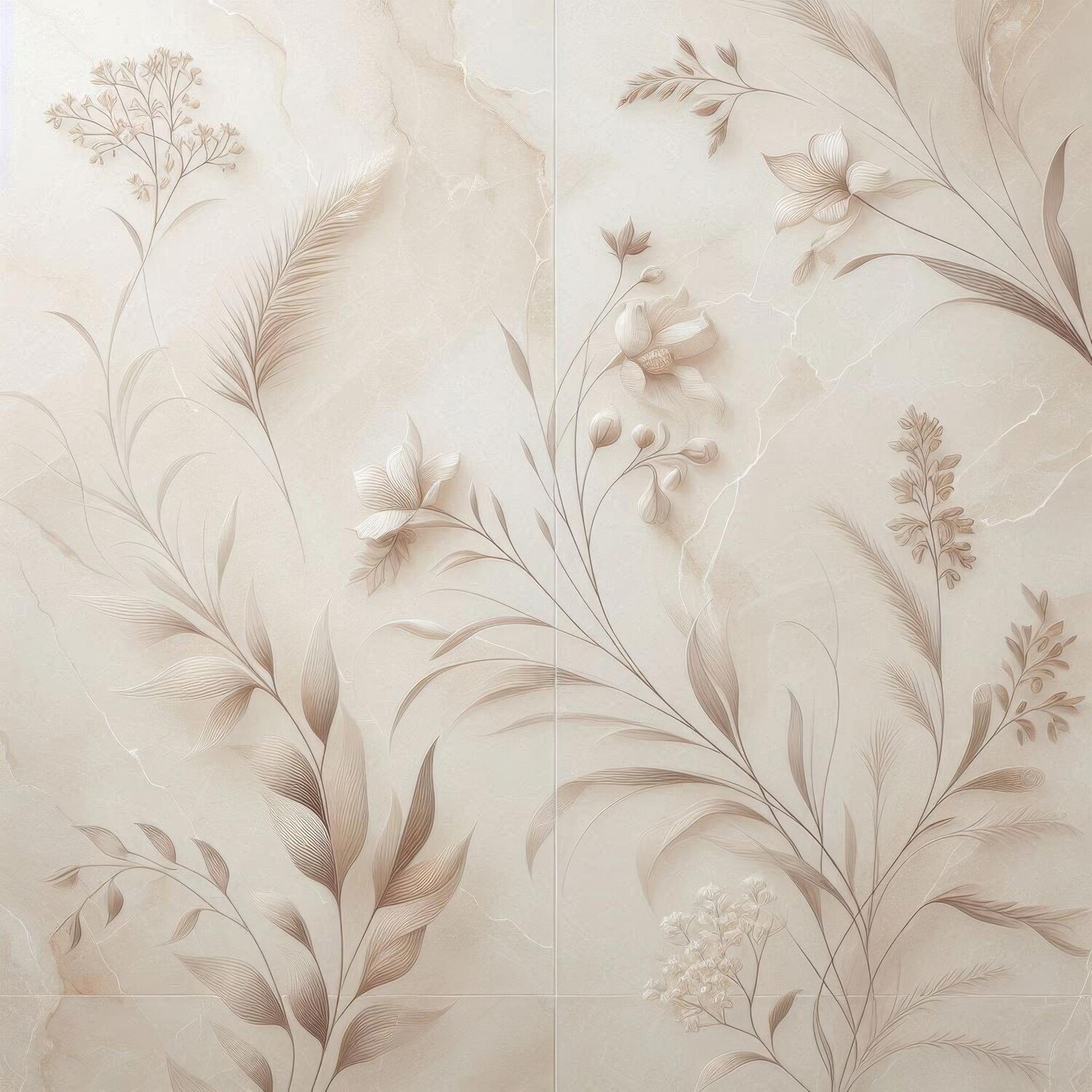
Pastel tones wash the room in gentleness, signaling safety and patience. Pastels don’t shout; they ease the space, letting conversations take center stage. They pair well with natural materials like wood and plants, creating a balanced environment that guides patients toward calm conversations.
Layer pastel hues with light textures and minimal patterns to keep things clean and approachable. Subtle patterns prevent visual competition with branding or patient forms, supporting inclusivity across ages and backgrounds.
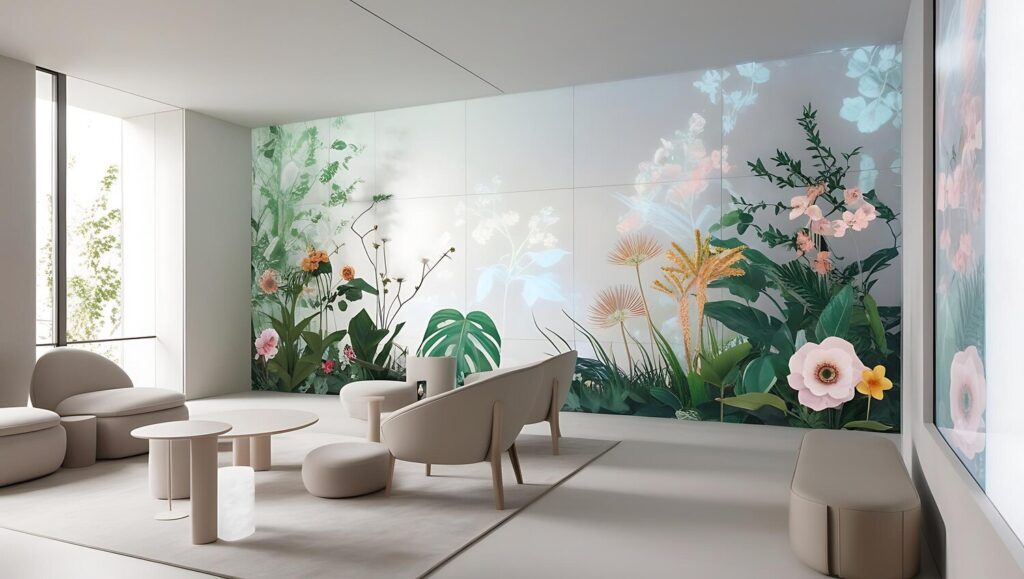
Modern calming wallpaper patterns for office waiting room options
Modern calming patterns avoid busy repetition, favoring soft geometrics or nature-inspired motifs. Look for rounded shapes, gentle curves, and airy negative space to reduce visual fatigue. Subtle leaf motifs, soft waves, or micro-prints can bring life without overpowering the client experience. Scale matters: large patterns can overwhelm small spaces; tiny repeats can feel busy in long corridors. Test patterns at seating height and across wall lengths to ensure a modern, quiet, reliable look.
Choose durable, cleanable wall coverings
Durable wall coverings withstand cleaning and daily wear. Look for stains, scratches, and moisture resistance, with washable or scrubbable finishes. Durability also means consistent appearance over time; patterns that hide small scuffs and fingerprints save maintenance. Consider sample panels and test cleaning on hidden edges before committing.
Cost matters, but so does maintenance. A bit more upfront for robust wallpaper or vinyl can reduce repainting and upkeep costs over time. Plan a practical approach that balances aesthetics with long-term care.
Vinyl and washable options for clinics
Vinyl is a robust choice for clinics: wipe-clean, moisture-resistant, and often in wide rolls to minimize seams. Look for scrubbable or abrasion-resistant finishes. In high-traffic zones, vinyl reduces stains and tears from carts and chairs. Washable wallpaper offers design flexibility with strong cleanability—choose finishes sealed for damp environments and patterns that hide smudges. Test a sample with a wipe to ensure vibrancy remains after cleaning.
For a practical setup, use vinyl boards or vinyl-backed wallpaper in patient-facing areas and washable wallpaper in staff rooms. Ensure seams are sealed and edges finished to prevent moisture intrusion.
Therapeutic wallpaper for reception area and safe finishes
Therapeutic wallpaper influences mood with soft colors, gentle patterns, and natural textures that promote calm without overstimulation. Choose glare-resistant finishes to reduce reflections, and opt for low-VOC inks and safe coatings to minimize off-gassing. Simple nature-inspired scenes or softened textures that resemble linen or plaster can add warmth while staying wipeable for high-touch environments.
Pick materials that meet cleaning and health needs
Select mold- and mildew-resistant surfaces, suitable for cleaners used in healthcare settings. Ensure compatibility with your cleaning solutions, and check fire rating and thickness for moisture resistance. Sealed seams and recessed edges prevent dirt buildup. Review warranties and care instructions to know how to maintain the look over time.
Install with minimal disruption to your clinic
Plan installs for low-patient-volume times. Use quiet tools and fast-drying wallpapers to minimize noise and downtime. Outline a clear installation path that avoids exam rooms, with protective coverings to keep floors clean. Choose color and pattern that hide minor messes or seams during installation, and select wipeable wallpapers for busy clinics. A simple staff checklist keeps everyone aligned, reducing surprises.
If you set milestones and designate a point person, you can upgrade your waiting room with calming wallpaper designs without slowing care.
Prep steps to speed up wallpaper installation
- Start with clean, dry surfaces; fix chips or gouges.
- Lightly sand glossy areas for better adhesion; wipe again.
- Measure carefully, cut longer than wall height, and mark vertical references.
- Use painter’s tape to hold sheets; keep a kit for quick fixes.
Apply from a corner toward the center, smoothing as you go. Use a notched spreader and press firmly. Test a small section first to catch issues before the full wall.
When to hire a pro versus do it yourself
A pro saves time and ensures clean lines across rooms, especially with complex patterns or high-traffic zones. In a clinical setting, professionals help manage noise, dust, and waste. If walls are solid, you have steady hands, and you’ve done this before, DIY can be cost-saving with peel-and-stick options for quick changes. Budget for extra material and avoid tackling anything beyond your comfort level.
Keep wallpaper looking fresh with simple care
Maintain a calm space with regular dusting and gentle cleaning. Choose durable finishes and use a soft cloth or microfiber to avoid wearing the surface. Blot spills promptly and use mild soap if needed, avoiding harsh cleaners. For high-traffic areas, semi-gloss or vinyl finishes resist fingerprints. Balance humidity and airflow to extend life. A calm, consistent design helps your waiting room remain inviting longer.
Cleaning tips for relaxing wall coverings for waiting rooms
- Weekly soft dusting with microfiber; vacuum on a gentle setting for corners.
- For smudges, wipe with a damp cloth; avoid soaking.
- Test cleaners on hidden areas first; dry thoroughly afterward.
- Patterns and textures that hide dust extend life between cleanings.
Fix scuffs fast to avoid a worn look
Address scuffs quickly with a light water flush and a soft cloth. For stubborn marks, test a small area with mild soap. If necessary, consult adhesive removers approved for wallpapers. Quick fixes preserve a neat, high-traffic look and extend the design’s life.

Budget smart for a long-term calming upgrade
Plan calmly for a long-term upgrade. Choose timeless designs, durable materials, and easy-install options that reduce labor costs. Focus on a few high-visibility walls to manage expenses while maintaining a serene feel. Track total cost of ownership, including installation time and maintenance, to understand long-term savings. Consider phased upgrades to measure impact before expanding.
Cost factors for serene wallpaper for patient rooms
Material choice affects price and performance. Vinyl is durable and easy to clean; fabric-backed options feel softer but may cost more and require special cleaning. Anti-microbial coatings add cost but boost infection-control. Labor costs vary with professional installation versus DIY. Simple, soothing patterns tend to be more budget-friendly and predictable in upkeep.
Track patient feedback and satisfaction after changes
Set up quick post-install feedback in waiting rooms or on tablets to gauge perceived calmness, noise, and comfort. Review data monthly with your team to identify trends and adjust future rollouts. Balance patient feedback with staff insights to guide ongoing decisions.
Check warranties, safety standards, and ROI measures
Verify warranty terms, safety standards (low VOCs, flame resistance), and what’s covered. Track ROI with patient satisfaction, calmness, wait times, and ambiance-related complaints. A data-driven approach shows the value of the calming upgrade and informs future refreshes.
- Upgrade your waiting room with calming wallpaper designs to set the tone before patients sit.
- Use a simple maintenance schedule to keep visuals fresh; check seams and cleanable surfaces every few months.
Frequently asked questions
- What quick changes calm anxious patients?
- Pick soft colors and simple nature prints to slow the eye and ease tension.
- Which colors work best on wallpaper?
- Soft blues, greens, beiges, or muted mauve. Test swatches in your light.
- Do patterns matter? Which patterns relax people?
- Yes. Use low-contrast, small-scale patterns like leaves or gentle waves; avoid loud prints.
- What wallpaper material is best for busy waiting rooms?
- Washable vinyl or coated paper that can be wiped clean.
- How can I upgrade my waiting room on a tight budget?
- Try peel-and-stick samples and a few accent rolls; upgrade with a plant and soft lighting. Upgrade your waiting room with calming wallpaper designs to maximize impact.
Conclusion
By upgrading your waiting room with calming wallpaper designs, you create a space that signals safety, warmth, and care. Nature-inspired textures and pastel hues provide a soothing backdrop that supports focus without distraction. Choose durable, washable materials, test daylight and texture, and plan for easy maintenance to keep the look fresh with minimal downtime. Set a budget, verify warranties and safety, and track patient feedback and ROI to demonstrate real value. Thoughtful wallpaper choices shape calmer experiences, smoother flows, and lasting comfort for patients and staff alike. Upgrade your waiting room with calming wallpaper designs as a smart, ongoing investment in care and well-being.